How Does Ayurveda in India View Ranitidine Use for Recurring Acidity?
Recurring acidity has become part of daily life for many people in India, especially with late dinners, stress and spicy food woven into routine. This is where modern medicines like ranitidine and Ayurvedic thinking meet, sometimes in the same prescription.
When Does Acidity Keep Coming Back in Daily Indian Life?
The description on Ask Ayurveda mirrors what many people in India feel. Burning in the chest and throat after meals, bloating, frequent burping, and nighttime reflux. Ayurvedic doctors explain these as signs of Amla Pitta, where Pitta dosha is aggravated, and the stomach produces sharp acid that irritates the upper digestive tract.
In this view, stress at work or at home adds even more heat. So, someone living in a busy Indian city, skipping meals and eating late, ends up locking this pattern in day after day.
How Does Ranitidine Affect Your Stomach?
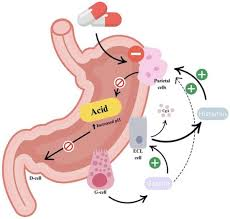
Ranitidine belongs to a group of medicines called H2 blockers that reduce acid production in the stomach and give short-term relief from heartburn. For a person in India with intense burning or nighttime acidity, a doctor may use it for quick symptom control to ensure the lining heals.
The Ayurvedic doctor on Ask Ayurveda gently points out that the ranitidine tablet uses act like a temporary lid on a boiling pot. It calms the acid but does not correct Agni or the deeper Pitta imbalance. Therefore, the same Indian lifestyle and diet keep triggering fresh episodes once the course is over.
How Ayurveda in India Reads these Acidity Signals?
From an Ayurvedic lens, recurring acidity in India is not just “too much acid” but a disturbed digestive fire. The Ayurvedic specialists suggest consuming coriander seed water soaked overnight, Amla juice, and liquorice tea to ease heat in the stomach.
Herbs and Routines that Change the Pattern
Once symptoms settle a little, the doctor shifts focus to everyday patterns. A Pitta-pacifying diet includes coconut water, soaked almonds, ghee, and sweet fruits. Spicy and packaged food items are kept aside for a while because they are known triggers for Amla Pitta.
To support healing, herbs such as Avipattikar Churna before meals and Yashtimadhu to protect the stomach lining are suggested.
Ask Ayurveda – Your Partner in Everyday Wellness
For someone in India juggling work, family and health, turning these guidelines into a personal plan can feel confusing. The Ask Ayurveda portal steps here as a bridge between classical wisdom and your real life. The platform connects you with qualified Ayurvedic doctors who read your specific symptoms, food habits, job pattern and stress levels before guiding you.
Doctors on Ask Ayurveda answer written questions in clear language so that you can ask about your ranitidine prescription. The human insight and easy access make it easier to stay consistent on a long-term healing path.
Blending Routine Medicines and Ayurvedic Support in India
For many people, the practical path lies between extremes. Ranitidine may still have a role for sharp flare-ups, but Ayurvedic doctors encourage you to see the ranitidine tablet uses as short-term support. Working with both your allopathic and Ayurvedic doctors, you can keep an eye on safety advice around older ranitidine products.
Final Words
Recurring acidity can make each meal feel like a risk, especially with the spicy, fried and late-night eating patterns common in India. Ayurveda sees these flare-ups as messages from your body. Your stomach can move to a reliable state with steady support from Ask Ayurveda.