The Role of Bilevel Machines in Managing Sleep Apnea and Other Breathing Disorders
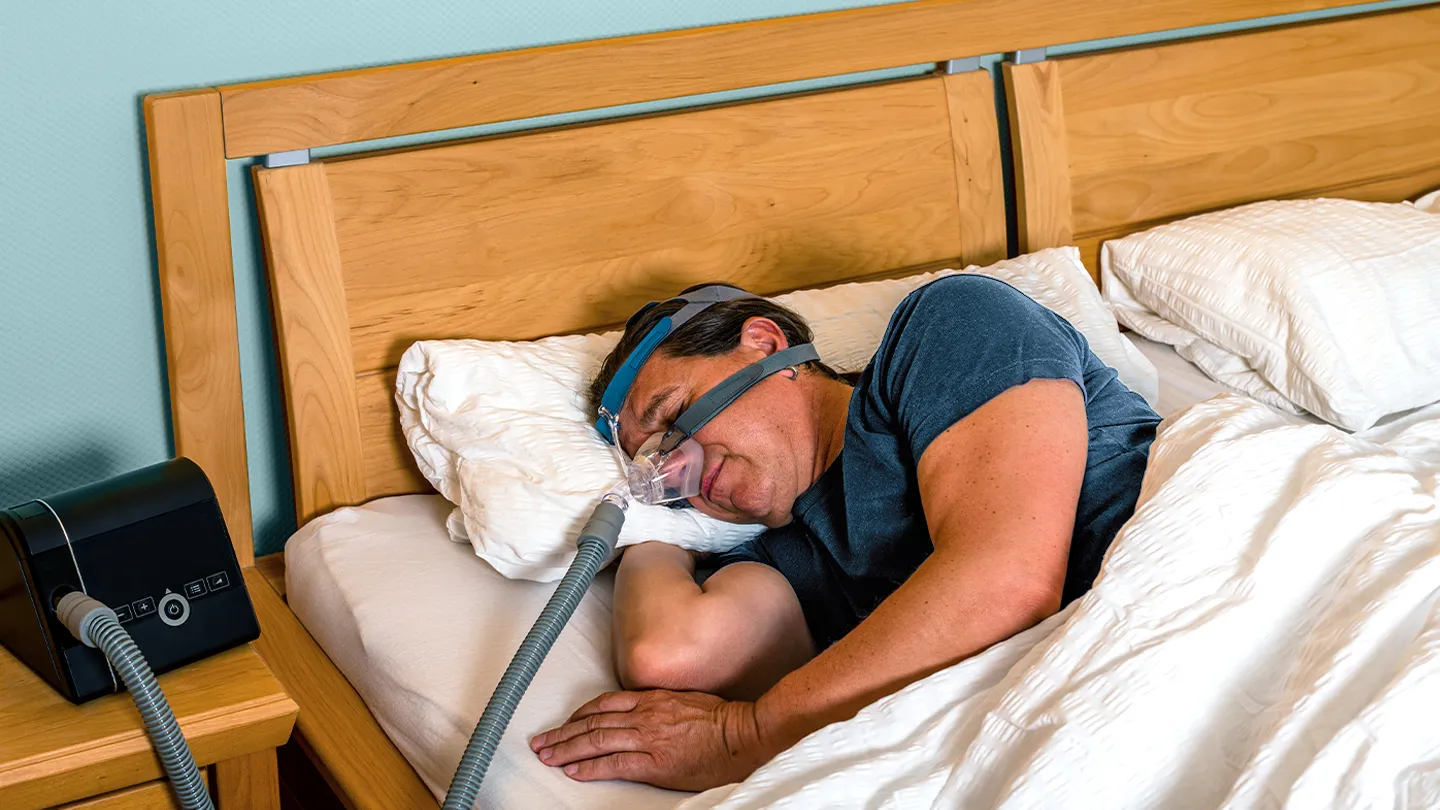
Sleep apnea and other respiratory ailments can have a tremendous effect on the quality of life of an individual, and it is near impossible to sleep soundly. Medical technology has developed over the years to provide better methods of treatment. Bilevel machines are one of the most beneficial tools to numerous patients. The breathing devices are meant to assist in breathing patterns when sleeping so that the users can ensure consistent oxygen levels and minimize disruptions that lead to fatigue and health complications.
Understanding Bilevel Machines
Positive airway pressure therapy is a type of machine known as Bilevel machines or more commonly known as BiPAP devices. In contrast to a regular CPAP machine, where the airflow remains constant, a bilevel machine has two different pressure settings, one high when the patient inhales and a lower one when he or she exhales. Such a pressure may create a more natural and comfortable breathing process in people who struggle with constant airflow.
This technology is more applicable to those patients with greater pressure needs or other respiratory complications other than sleep apnea like COPD or some neuromuscular diseases. The bilevel machines decrease the workload of the lungs and make the airflow pattern smoother by adapting to the body breathing cycle.
How They Help with Sleep Apnea
Sleep apnea occurs when the airway collapses or becomes blocked as one sleeps, therefore, there are moments of breathing interruption. These stoppages cause oxygen deprivation and also frequent night wakening. Bilevel machines maintain the open airway by supplying air pressure, however, the dual pressure setting allows easier exhalation without experiencing the constant pressure.
Not only does this make it more comfortable, but can also raise treatment compliance. Most of them give up on the use of CPAP devices due to the difficulty in controlling the pressure. Bilevel therapy helps to breathe more naturally and, therefore, there is a higher chance that patients will adhere to their treatment on a regular basis.
Beyond Sleep Apnea – Other Breathing Disorders
Though bilevel machines are quite popular in treating sleep apnea, they are also applied in the management of other breathing disorders. In individuals affected by chronic obstructive pulmonary disease, the machine may help keep the levels of oxygen and carbon dioxide sufficient. In people who have some neurological or muscular diseases, the device aids weakened breathing muscles, so people can have sufficient airflow through the night.
In other situations, bilevel machines are even applied in hospitals to patients who are recovering cases of severe respiratory diseases. The flexibility and the capacity to provide varying pressures also makes them a universal option in different health conditions.
Improving Quality of Life
Not only are there medical outcomes of using bilevel machines. After regular use, people tend to observe the increase of energy levels, concentration, and mood. Improved sleeping also boosts the heart, minimizes risks of low oxygen complications, and assists the body to heal faster.
Final Thoughts
Bilevel machines have assumed significance in the treatment of sleep apnea and other breathing disorders. They have the capability of providing dual pressure settings, which is more comfortable and effective to most patients. The machines may assist in the restoration of healthy sleeping habits and general well-being by enhancing airflow and facilitating natural breathing patterns of the body. Bilevel therapy can prove to be a life-altering option to those who have issues with CPAP tolerance or those with more severe problems with breathing.